

A verified 2026 reference list of Dubai’s designated freehold areas where non-GCC foreigners can own property outright, plus what freehold ownership grants and how to confirm any plot’s status with the Dubai Land Department.
Foreigners cannot buy freehold property anywhere in Dubai. They can buy it in designated freehold areas set by a decree of the Ruler of Dubai, and that list has grown from a handful of zones in 2006 to more than 60 communities in 2026, covering roughly 40 percent of the built-up city. The legal basis is Regulation No. 3 of 2006, which determines the areas where non-UAE nationals may own real property in the emirate. Inside these areas, a foreign buyer holds the same perpetual, inheritable, sellable ownership as a UAE national, registered with a Dubai Land Department title deed.
This guide gives you the practical, organized list of Dubai’s major freehold areas as of 2026, grouped by property type and buyer profile, and explains how designated freehold differs from leasehold and usufruct. It also shows how to verify that a specific project or plot is genuinely freehold before you commit money, and how property value connects to residency visas. Because the designated-area list is amended by decree and expanded over time, treat any list, including this one, as a starting point and confirm the exact status of your target address with the DLD.
What “Freehold Area” Means in Dubai
A freehold area is a zone the Ruler of Dubai has formally designated for ownership by non-UAE nationals. Outside these zones, foreign ownership is restricted to UAE and GCC nationals or to specific leasehold and usufruct arrangements. The distinction matters because it determines whether you receive an outright, perpetual title deed or a time-limited right to use the property.
Freehold ownership grants you the land and the unit in perpetuity. You can sell it, lease it out, mortgage it, renovate within regulations, and pass it to your heirs. The official UAE Government portal confirms that foreigners who do not live in the UAE and expatriate residents may acquire freehold ownership rights over property without time restriction in the designated areas. There is no age limit and no requirement to hold a UAE residence visa in order to buy.
Freehold vs Leasehold vs Usufruct
Not every foreign-ownership right in Dubai is freehold. The same Regulation No. 3 of 2006 also allows non-nationals to hold usufruct or leasehold rights for up to 99 years in certain areas. These are meaningfully different from freehold, and the difference shows up on your title deed under the “nature of ownership” field. The table below sets out the practical distinctions.
| Ownership type | What you own | Duration | Can you sell or inherit it? |
|---|---|---|---|
| Freehold | The unit and the land it sits on | Perpetual, no time limit | Yes, freely sell, gift, and pass to heirs |
| Leasehold | The right to occupy and use the unit | Up to 99 years, then reverts to the freeholder | Assignable within the lease term, subject to conditions |
| Usufruct | The right to use and benefit without altering the asset | Fixed term, commonly up to 99 years | Transferable within the term, cannot outlive the grant |
Most of the areas foreign buyers hear about, from Downtown Dubai to Palm Jumeirah, are true freehold. The practical takeaway is simple: if you want an asset you can hold forever and leave to your children, confirm the deed says freehold and not leasehold or usufruct. For the fuller conceptual breakdown, see our guide to how foreign ownership splits between freehold and leasehold rights, and the long-horizon comparison of freehold versus leasehold over the long term.
The Complete List of Dubai Freehold Areas in 2026
As of 2026, foreigners can buy freehold property in more than 60 designated Dubai communities. The list below organizes the major and most transacted areas by the type of property you can buy there: apartment-led districts, villa and townhouse communities, and mixed communities offering both. This reflects the areas most active in the resale and off-plan market. It is not the raw legal schedule of every plot in Regulation No. 3 of 2006, which is amended by decree, so verify any specific address before you transact.
Apartment-Led Freehold Areas
These districts are dominated by apartment towers and mid-rise residential blocks. They attract buy-to-let investors, first-time buyers, and end users who want to be near the waterfront, the business core, or the metro. Entry prices are generally lower per unit than in villa communities, though prime waterfront towers command a premium.
| Freehold area | Property character | Typical buyer profile / notes |
|---|---|---|
| Downtown Dubai | Premium high-rise apartments | End users and investors seeking Burj Khalifa and Dubai Mall proximity |
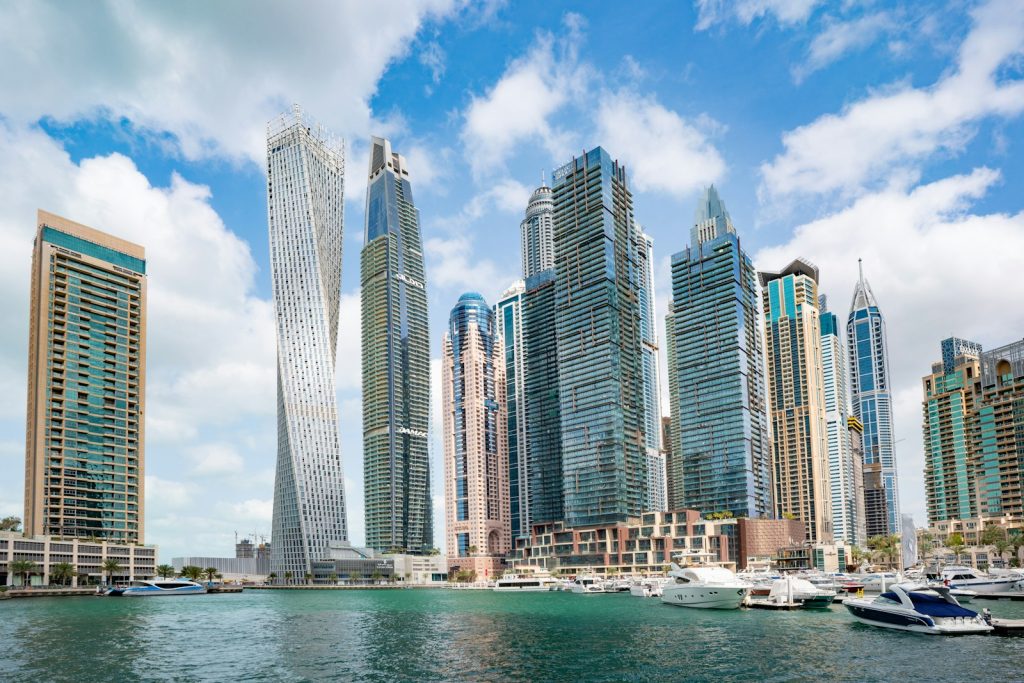
| Dubai Marina | Waterfront towers, studios to penthouses | Rental investors and tenants who value walkability and marina views |
| Jumeirah Beach Residence (JBR) | Beachfront apartments | Holiday-home buyers and short-let investors on The Walk |
| Business Bay | Mixed apartments and offices along the canal | Professionals and investors wanting a central business-district address |
| Jumeirah Lake Towers (JLT) | Cluster towers, apartments and offices | Value-focused investors next to the Marina at lower price points |
| Dubai Creek Harbour | Master-planned waterfront apartments | Off-plan buyers backing a long-term Emaar district |
| Emaar Beachfront | Private-beach island apartments | Premium holiday and rental buyers between Marina and Palm |
| Bluewaters Island | Low-rise premium apartments | Lifestyle buyers near Ain Dubai and beach retail |
| Dubai Harbour | Marina and cruise-terminal apartments | Waterfront investors seeking a newer address |
| The Greens and The Views | Low- and mid-rise garden apartments | Families and long-term tenants wanting green, quieter blocks |
| Barsha Heights (Tecom) | Apartments and hotel apartments | Central-location tenants and yield-focused investors |
| Discovery Gardens | Affordable low-rise apartments | Budget end users and high-yield rental investors |
| Dubai Production City and Studio City | Affordable apartments in media zones | Entry-level investors chasing rental returns |
| Al Jaddaf | Emerging waterfront apartments near the Creek | Value buyers wanting Creek and Business Bay proximity |
| DIFC | Premium apartments in the financial district | Finance professionals and prime-central investors |
Villa and Townhouse Freehold Communities
These communities are built around gated villa and townhouse clusters, landscaped streets, schools, and community retail. They suit families and buyers who want space, private gardens, and a residential rather than high-rise environment. Prices per unit are higher than apartments, but so is the land component you own outright.
| Freehold community | Property character | Typical buyer profile / notes |
|---|---|---|
| Emirates Hills | Ultra-prime custom mansions | High-net-worth buyers, Dubai’s most exclusive villa address |
| Arabian Ranches 1, 2 and 3 | Family villas around golf and parks | Long-term family end users wanting an established suburb |
| The Meadows, Springs and Lakes | Villas and townhouses around lakes | Families seeking mature, green, walkable communities |
| Jumeirah Park and Jumeirah Islands | Detached villas on landscaped plots | Upper-mid family buyers near the Marina |
| Jumeirah Golf Estates | Golf-course villas | Golf-oriented and premium family buyers |
| The Valley and Town Square | Affordable townhouses and villas | First-time villa buyers and young families |
| The Sustainable City | Eco-designed villas | Buyers prioritizing lower utility costs and green living |
| Palm Jebel Ali | Waterfront villas (under development) | Early off-plan buyers on the second palm island |
| Tilal Al Ghaf | Lagoon villas and townhouses | Premium family buyers wanting a resort-style community |
Mixed Communities With Apartments and Villas
Many of Dubai’s largest master plans are freehold and offer everything from studios to standalone villas within one community. These are often the highest-liquidity choices for investors because they suit a wide tenant pool. Several were added to the designated list in recent years, so they read as newer names on any 2026 list.
| Freehold community | Property character | Typical buyer profile / notes |
|---|---|---|
| Palm Jumeirah | Beach apartments and signature villas | Prime lifestyle and holiday-home buyers; iconic island address |
| Dubai Hills Estate | Apartments, townhouses and villas around a golf course | Broad family and investor base; strong resale liquidity |
| Mohammed Bin Rashid City (MBR City) and Meydan | Apartments, mansions and lagoon villas | Central-luxury buyers close to Downtown |
| Jumeirah Village Circle (JVC) | Affordable apartments, townhouses and villas | High-yield entry-level investors; one of the most transacted areas |
| Jumeirah Village Triangle (JVT) | Townhouses and low-rise apartments | Value family buyers next to JVC |
| DAMAC Hills 1 and 2 | Villas, townhouses and apartments | Budget-to-mid family buyers around leisure amenities |
| Dubai Sports City and Motor City | Apartments and townhouses | Value investors and families near sporting amenities |
| Al Furjan | Villas, townhouses and apartments | Families wanting metro access near Discovery Gardens |
| Dubai Silicon Oasis | Apartments and villas in a tech free zone | Affordable end users and rental investors |
| International City | Very affordable apartments | Highest-yield entry point for small-budget investors |
| Dubai South and Expo City Dubai | Apartments, townhouses and villas | Long-horizon buyers near Al Maktoum Airport and the Expo legacy site |
| Sobha Hartland and Hartland II | Waterfront apartments and villas in MBR City | Premium central buyers near Downtown |
| Dubailand communities | Multiple sub-communities, apartments to villas | Value and off-plan buyers across a large master area |
Newer additions such as Nad Al Sheba, Al Wasl, Dubai Science Park, Arjan, and stretches along Sheikh Zayed Road have appeared on recent freehold lists as the designated map has expanded. Because these additions come through amendments and evolving master plans, they are exactly the addresses where you should not rely on a portal list alone. Verify each one directly with the DLD, which we explain next.
How to Verify a Property Is Actually Freehold
The definitive freehold check is the title deed, which states the nature of ownership as freehold, leasehold, usufruct, or musataha. You can confirm this yourself before signing anything using the Dubai Land Department’s own tools rather than relying on a broker’s word or a listing description. Two official channels give you the same authoritative answer.
First, use the DLD Title Deed Verification service on the Dubai Land Department website, entering the certificate number, certificate year, and property type. Second, the free Dubai REST app, the DLD’s official mobile platform, offers the same title deed verification and property status enquiry. Both return a clear result: valid, mortgaged, restrained, blocked, or invalid. The deed itself records the property type, location, built-up area, any registered mortgage, and crucially the ownership nature. Our step-by-step walkthrough of verifying a Dubai title deed online covers each field, and the wider Dubai title deed guide explains what every entry on the certificate means.
Decision point: if a broker markets a unit as freehold but the title deed shows leasehold or usufruct, stop and re-price the deal. A 99-year leasehold in a non-freehold zone is a genuinely different asset from a perpetual freehold, even if the brochure photos look identical. This single check protects you from the most common misunderstanding foreign buyers make about Dubai ownership.
What Actually Happens When You Buy Freehold
Buying freehold in a designated area follows a defined DLD-supervised path. Once you agree a price, the parties sign a sale contract, the seller obtains a No Objection Certificate from the developer confirming service charges are clear, and both parties attend a DLD-approved trustee office to transfer ownership. The buyer pays the Dubai Land Department transfer fee of 4 percent of the purchase price plus trustee and administrative charges, and the DLD then issues a new electronic title deed in the buyer’s name.
For off-plan freehold purchases, registration first happens through the Oqood system, which records the initial sale before the building is complete; the full title deed follows on handover. If you are buying off-plan, our guide to Oqood registration for off-plan property explains that interim step. For the end-to-end sequence, the step-by-step Dubai property purchase process and the dedicated guide to buying property in Dubai as a foreigner set out every stage, document, and fee.
Do You Need a Residence Visa to Buy?
No. A foreign buyer does not need to live in the UAE or hold a residence visa to purchase freehold property in a designated area. Non-residents can buy, register a title deed, and even complete much of the process remotely through a power of attorney. The confirmation of this is the same official guidance that establishes the designated areas: expatriate residents and foreigners who do not live in the UAE alike may acquire freehold ownership. Our overview of whether foreigners can buy property in Dubai covers the eligibility rules in full.
Freehold Property and Residency Visas
Owning freehold property in a designated area can qualify you for a UAE residence visa, but ownership and residency are separate. Buying does not automatically grant a visa; you apply for one if your property value meets the threshold. Two main routes exist, both tied to freehold ownership with a registered title deed.
- Two-year property investor visa: generally available to owners of completed property worth at least AED 750,000. The details are in our Dubai property investor visa requirements guide.
- Ten-year Golden Visa: available to owners of property worth at least AED 2 million, as set out in our Golden Visa through property investment guide.
Both visa routes require the property to be freehold with a title deed in your name, which is another practical reason the freehold-versus-leasehold distinction matters. If residency is part of your reason for buying, check the exact minimum property value needed for UAE residency before you shortlist areas, because it will steer your budget and your choice between an entry-level apartment district and a higher-value community.
Which Freehold Area Should You Choose?
The right freehold area depends on whether you are buying to live, to rent out, or to qualify for residency. For rental yield, affordable apartment districts like International City, JVC, and Discovery Gardens typically outperform prime addresses on percentage returns, while Downtown and Palm Jumeirah favor capital appreciation and prestige over yield. Families usually weigh villa communities such as Arabian Ranches, Dubai Hills Estate, and The Springs for space and schools.
Because returns vary widely by district, compare current Dubai rental yields by area before committing, and confirm the total cost of ownership including the 4 percent DLD fee, agency commission, and annual service charges. No single area is best for everyone; the honest answer is that a AED 500,000 studio in International City and a AED 5 million villa in Emirates Hills are both freehold, and which one is right depends entirely on your goal.
FAQ
Can Foreigners Buy Freehold Property Anywhere in Dubai?
No. Foreigners can only buy freehold in areas the Ruler of Dubai has designated under Regulation No. 3 of 2006 and its later amendments. As of 2026 that covers more than 60 communities, but land outside the designated freehold zones remains restricted to UAE and GCC nationals or is available only on leasehold or usufruct terms. Always confirm a specific plot’s status with the Dubai Land Department before you buy.
Is Palm Jumeirah Freehold?
Yes. Palm Jumeirah is one of Dubai’s original and best-known designated freehold areas, and it offers both apartments and signature villas to foreign buyers. Ownership there is perpetual and inheritable, registered with a DLD title deed. As with any purchase, verify the individual unit’s title deed shows freehold rather than a leasehold arrangement.
How Many Freehold Areas Are There in Dubai?
By 2026 there are more than 60 designated freehold communities, up from the small original list in 2006. The exact count shifts because the designated-area map is expanded by decree and as new master plans complete. Property portals often cite figures of 60 to 80 areas depending on how sub-communities are counted, so treat any single number as approximate and verify a specific address with the DLD.
Does Buying Freehold Property Give You Residency in Dubai?
Not automatically, but it can qualify you to apply. Freehold property worth at least AED 750,000 can support a two-year property investor visa, and property worth at least AED 2 million can support a ten-year Golden Visa. You must apply separately, and the property must be a completed freehold with a title deed in your name. Buying the property and getting the visa are two distinct steps.
What Is the Difference Between Freehold and Leasehold in Dubai?
Freehold gives you outright, perpetual ownership of both the unit and the land, with full rights to sell, lease, mortgage, and inherit. Leasehold gives you the right to use a property for a fixed term of up to 99 years, after which it reverts to the freeholder. The difference is recorded on the title deed under nature of ownership, so check that field before assuming a property is freehold.
How Do I Check If a Dubai Property Is Freehold?
Verify the title deed through the Dubai Land Department’s official Title Deed Verification service or the free Dubai REST app, entering the certificate number, year, and property type. The deed states the nature of ownership as freehold, leasehold, usufruct, or musataha. Do not rely on a listing description or a broker’s assurance; the title deed is the only authoritative record.
Are JVC and JVT Freehold Areas?
Yes. Both Jumeirah Village Circle and Jumeirah Village Triangle are designated freehold communities open to foreign buyers, offering apartments, townhouses, and villas. JVC in particular is one of Dubai’s most transacted areas and is popular with yield-focused investors thanks to its lower entry prices relative to prime waterfront districts.
Can Non-Residents Buy Freehold Property in Dubai?
Yes. You do not need to live in the UAE or hold a residence visa to buy freehold property in a designated area. Non-residents can purchase, register a title deed, and complete much of the process remotely through a power of attorney. Owning the property may later let you apply for a residence visa if its value meets the AED 750,000 or AED 2 million thresholds.
Is Downtown Dubai a Freehold Area?
Yes. Downtown Dubai, home to the Burj Khalifa and Dubai Mall, is a designated freehold area where foreigners can own apartments outright. It is an appreciation-focused and prestige address rather than a high-yield one, so investors comparing it to areas like JVC or International City should weigh capital growth against rental return.
Do Freehold Areas Ever Change or Get Added?
Yes. The designated freehold list is set by decree and has been expanded several times since 2006, with communities such as Nad Al Sheba, Al Jaddaf, and Dubai Science Park added in recent years. This is why any list, including this one, should be treated as current-as-of-2026 guidance and confirmed against the Dubai Land Department for the specific address you intend to buy.
Official Sources
This article references information from the following UAE government authorities and official sources:
- UAE Government Portal (u.ae) – Expatriates Buying Property in the UAE
- Dubai Land Department – Title Deed Verification
- Dubai Land Department – Golden Visa Application for Property Investors
- Government of Dubai Legislation – Regulation No. 3 of 2006 on Areas for Ownership by Non-Nationals
Information is current as of July 2026. UAE regulations, designated freehold areas, and fees are subject to change. The list of designated freehold areas is amended by decree over time, so always verify the current freehold status of a specific property with the Dubai Land Department before proceeding with any purchase.
This guide is for informational purposes only. UAE regulations and fees are subject to change. Always verify current requirements with the relevant official authority before proceeding with any application or transaction.