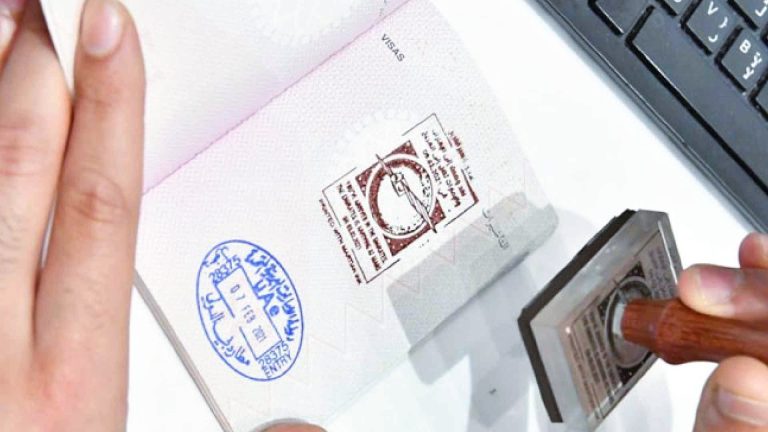

Practical guide to registering a will in Dubai — DIFC Wills Service, ADJD alternative, guardianship for children, and how to prevent your assets from being frozen or distributed against your wishes.
If a non-Muslim expatriate dies in the UAE without a registered will, their bank accounts are frozen, property transfers are blocked, and their estate may be distributed according to default inheritance rules — which can assign fixed shares to relatives the deceased may never have intended to inherit. Registering a will through the DIFC Courts Wills Service costs AED 10,000 for a single will (AED 15,000 for mirror wills for couples), plus legal drafting fees, and provides complete testamentary freedom under a common-law framework enforced directly by DIFC Courts.
This guide explains the practical steps: why a UAE will is essential even if you have one in your home country, how the DIFC Wills Service works, what it costs, how to appoint guardians for minor children, the cheaper ADJD alternative, and the impact of Dubai Law No. 2 of 2025 on enforcement. If you own property, hold bank accounts, or have children living in the UAE, this is one of the most important things you can do — and one of the most commonly neglected.
Why Every Expat in the UAE Needs a Registered Will
A will drafted in your home country does not automatically apply to your UAE-based assets. Foreign wills can theoretically be recognised in the UAE, but the process of enforcing one against UAE-held property, bank accounts, or business interests involves court proceedings in Arabic, potential translation delays, and months of procedural uncertainty — all while your surviving family members have no access to frozen accounts or property.
The practical consequences of dying without a locally registered will are severe. UAE banks freeze the deceased’s accounts immediately upon notification of the death. The Dubai Land Department blocks property transfers. A court-appointed administrator must be assigned, and the distribution process — whether under Sharia inheritance principles or Federal Decree-Law No. 41 of 2022 — follows rules the deceased had no part in choosing. For families with children, the guardianship question is equally critical: without a registered will naming guardians, the court decides who cares for your children.
Federal Decree-Law No. 41 of 2022 on Civil Personal Status introduced a default civil succession framework for non-Muslims, replacing the previous automatic application of Sharia distribution rules. Under this framework, if a non-Muslim dies intestate (without a will), the surviving spouse receives the larger of one-quarter or one-third of the estate, and the remainder is distributed among children and other heirs in defined shares. While this is an improvement over the previous system, it still does not allow you to choose who inherits specific assets, appoint guardians, or make bequests to people outside your immediate family.
What Is the DIFC Wills Service and How Does It Work?
The DIFC Courts Wills Service Centre is a will registration office established in 2014–2015 as part of the Dubai International Financial Centre Courts. It operates under a common-law legal framework — modelled on English law principles — that gives non-Muslim testators complete freedom to choose their beneficiaries, executors, and guardians without restriction. Wills are drafted, registered, and probated entirely in English.
As of June 2019, DIFC wills automatically cover all movable and immovable assets throughout the UAE’s seven emirates. Before this amendment, coverage was limited to Dubai and Ras Al Khaimah. Testators can also include overseas assets, though enforceability outside the UAE depends on the laws of the relevant jurisdiction and requires appropriate legal advice.
Who Is Eligible
Any non-Muslim individual aged 21 or over who has assets or family in the UAE can register a DIFC will. UAE residency is not required — non-residents who own Dubai property or hold UAE bank accounts are also eligible. You do not need an Emirates ID to register. Since the introduction of the Virtual Registry, the entire process can be completed remotely via video conference from anywhere in the world.
Types of DIFC Wills
The DIFC Courts Wills Service offers five types of wills, each designed for different circumstances:
| Will Type | Covers | Best For |
|---|---|---|
| Full Will | All UAE assets (property, bank accounts, investments, personal belongings) + guardianship | Most expats — the comprehensive option |
| Property Will | Up to 5 specific real estate properties in the UAE | Investors with a home-country will covering other assets |
| Financial Assets Will | Bank accounts, investments, and other financial holdings | Those who need coverage for financial assets only |
| Guardianship Will | Appointment of guardians for minor children only | Parents whose assets are covered by another will |
| Business Owners Will | Business interests, company shares, and commercial assets | Entrepreneurs and company shareholders |
The Full Will is the most common choice for expat families with children and mixed assets. A Property Will can be completed using the DIFC’s online self-service Property Will Portal, which provides a guided template and explanatory notes — reducing the need for external legal drafting in straightforward cases.
DIFC Will Registration: Step-by-Step Process
The registration process follows a clear sequence. Total timeline from first consultation to registered will is typically 2–6 weeks, depending on appointment availability at the DIFC Wills Service Centre (which has been heavily booked in recent periods).
Step 1: Prepare Your Information
Gather a detailed list of all your UAE assets: property (with title deed references), bank accounts, investment accounts, vehicles, business shares, and personal belongings. Decide on your beneficiaries, executor(s), and — if you have minor children — your preferred guardians (both temporary and permanent). If you are married, decide whether you need single wills or mirror wills.
Step 2: Draft the Will
You have two options: use a DIFC-registered legal practitioner to draft the will, or self-draft using the DIFC Property Will Portal (for property-only wills). The DIFC Courts publish a list of registered practitioners who meet minimum competency standards for will drafting under the Wills and Probate Registry Rules. Professional drafting fees typically range from AED 3,000 to AED 6,000+ depending on estate complexity, on top of the government registration fee.
The will must be prepared in accordance with the DIFC Wills and Probate Registry Rules (WPR). A poorly drafted will that fails to meet the minimum requirements set by the Rules may be deemed unregisterable or unenforceable — which is why professional assistance is recommended for anything beyond a straightforward property will.
Step 3: Register with the DIFC Wills Service Centre
Where: DIFC Courts building in Dubai (in-person) or via the DIFC Virtual Registry (video conference)
Requirements: The testator signs the will in the presence of two witnesses. Both in-person and remote registration are available — for virtual registration, the testator and witnesses can join from different locations and sign electronically via their mobile devices.
Processing time: 1 working day for standard registrations; appointment booking may take several weeks during peak periods
DIFC Will Registration Costs
| Fee Type | Amount | Notes |
|---|---|---|
| Single Will registration | AED 10,000 | Paid to DIFC Courts at appointment booking |
| Mirror Wills registration (couple) | AED 15,000 | Two wills registered simultaneously for married couples |
| Legal drafting (professional) | AED 3,000–6,000+ | Varies by practitioner and estate complexity |
| Will amendment | Varies | Requires new appointment; personal detail updates are free |
| Probate application (after death) | USD 1,300 | Includes hearing before a Registrar |
DIFC Courts fees are exempt from VAT. The total cost for a couple registering mirror wills with professional drafting typically falls between AED 20,000 and AED 25,000 all-in. A non-refundable booking fee applies if you cancel a scheduled registration appointment. Compared to the potential cost of contesting an estate through UAE courts without a will — which can run to tens of thousands of dirhams in legal fees and take months — the registration cost is a one-time investment in certainty.
Guardianship: Protecting Your Children
For expat parents with minor children in the UAE, guardianship provisions are arguably more important than asset distribution. Without a registered will naming guardians, the decision about who cares for your children falls to the courts. This can mean extended family members being appointed — or, in worst-case scenarios, children being placed in temporary state care while the court process unfolds.
A DIFC will allows you to appoint both temporary guardians (who take immediate responsibility in the days following a death) and permanent guardians (who assume long-term care). You can also name substitute guardians in case your first choice is unable to serve. The guardianship appointment is legally binding and enforced by the DIFC Courts.
Practical recommendations for guardianship provisions:
- Choose a UAE-based temporary guardian: Someone physically present in Dubai who can take immediate custody while longer-term arrangements are made. This prevents children from being placed in institutional care during the interim period.
- Name a permanent guardian: This may be a family member in your home country who will assume long-term care. Ensure they are aware of and consent to the appointment.
- Consider both parents: If both parents die simultaneously (e.g., in an accident), the will must account for this scenario with clearly named substitutes.
- Align with your home country will: If you have a will in your home country that also names guardians, ensure the two documents do not conflict.
A standalone Guardianship Will is available through the DIFC for parents whose financial assets are adequately covered by other wills but who need a registered guardianship provision in the UAE.
Dubai Law No. 2 of 2025: Stronger Enforcement for DIFC Wills
In March 2025, Dubai enacted Law No. 2 of 2025 Concerning DIFC Courts, which significantly strengthened the enforcement of DIFC-registered wills. Under Article 31(5), the DIFC Courts now hold exclusive jurisdiction over the enforcement of non-Muslim wills registered through the DIFC Wills Service — regardless of whether the assets are located within or outside the DIFC.
Before this law, enforcing a DIFC probate order against assets held with Dubai-based banks, the DLD, or the RTA often required coordination between the DIFC Courts and the Dubai Courts — adding time, cost, and complexity. Under the new framework, executors can present the DIFC probate order directly to banks, the DLD, and other entities without needing separate recognition from the Dubai Courts. Early reports from legal practitioners confirm that banks and the RTA have accepted this position and processed asset transfers based on DIFC probate orders alone.
This is a major practical advantage for anyone with significant Dubai-based assets. The probate process through DIFC Courts is conducted entirely in English, typically completes within a month, and requires only a copy of the death certificate and a list of assets covered by the will.
The ADJD Alternative: Lower Cost, UAE-Wide Coverage
The DIFC is not the only option. The Abu Dhabi Judicial Department (ADJD) operates a Non-Muslim Wills Registration Office (established in 2018) that offers will registration at a fraction of the DIFC cost.
| Feature | DIFC Wills | ADJD Wills |
|---|---|---|
| Registration fee (single) | AED 10,000 | AED 950 |
| Registration fee (mirror) | AED 15,000 | AED 1,900 |
| Language | English only | Bilingual (English + certified Arabic translation required) |
| Probate language | English (DIFC Courts) | Arabic (Abu Dhabi Courts) |
| Coverage | All UAE emirates + overseas (subject to advice) | All UAE emirates |
| Dubai enforcement | Direct — exclusive DIFC jurisdiction under Law No. 2 of 2025 | May require additional procedural steps through local courts |
| Registration process | In-person or video (DIFC Virtual Registry) | Fully online via video call (WebEx) |
| Muslim expats eligible | No | Yes (non-Emirati Muslims now eligible) |
When DIFC is the better choice: If you have significant assets concentrated in Dubai (particularly real estate), prefer an English-language probate process, want the enforcement certainty of Law No. 2 of 2025, or have a complex estate with multiple asset types.
When ADJD is the better choice: If cost is the primary concern, your estate is relatively straightforward, or you have assets spread across multiple emirates and want the broadest possible coverage at the lowest price. Note that probate through the Abu Dhabi Courts is conducted in Arabic, which typically means non-Arabic speakers need professional legal representation — potentially offsetting some of the upfront savings.
Property in Joint Names: A Common Misconception
Many expat couples assume that property held in joint names will automatically pass to the surviving partner. This is not the case in the UAE. Joint ownership of property registered with the Dubai Land Department does not create a right of survivorship as it might in the UK, US, or Australia. Each owner’s share forms part of their individual estate and is subject to the applicable inheritance rules.
If a couple owns a Dubai apartment 50/50 and one partner dies without a will, their 50% share enters the succession process — potentially being distributed to parents, siblings, or children according to default rules, not automatically transferring to the surviving partner. A registered will naming the surviving spouse as the sole beneficiary of the property share eliminates this risk entirely.
The same principle applies to bank accounts. Joint accounts in the UAE do not necessarily guarantee the surviving account holder full access — banks freeze accounts upon notification of a death and wait for legal clearance before releasing funds. A will specifying the distribution of financial assets avoids the freeze from becoming a prolonged ordeal.
When to Update Your Will
A registered will is not a set-and-forget document. The DIFC Wills Service allows amendments at any time after registration. Review and update your will when:
- You purchase or sell property in the UAE
- You open new bank accounts or investment accounts
- A child is born or a family member passes away
- You get married or divorced
- You acquire or dispose of business interests
- Your named executor or guardian can no longer serve
- You move to or from the UAE, changing your residency status
Personal detail updates (address, contact information) can be made without a new appointment. Changes to beneficiaries, executors, or guardians require a new registration appointment with the DIFC Wills Service Centre. Since registrations over 13,400 wills have been filed with the DIFC since inception (with a 14% increase in the first half of 2025), appointment availability can be limited — plan updates well in advance of any life changes.
FAQ
Do I need a UAE will if I already have a will in my home country?
Yes. A home-country will does not automatically apply to UAE-based assets. While foreign wills can sometimes be enforced in the UAE, the process is lengthy, costly, and conducted in Arabic. A UAE-registered will — whether through DIFC or ADJD — provides a direct, legally certain mechanism for distributing your UAE assets and appointing guardians for children living here.
Can Muslims register a DIFC will?
No. The DIFC Wills Service is available only to non-Muslims. However, non-Emirati Muslim expatriates can now register a civil will through the ADJD Non-Muslim Wills Office in Abu Dhabi, which allows them to opt out of Sharia-based distribution for their UAE assets. UAE and GCC nationals who are Muslim remain subject to Sharia inheritance rules.
How long does DIFC will probate take after death?
DIFC probate typically completes within one month of the application being filed. The executor submits the death certificate and a list of assets, and the DIFC Courts issue a probate order. Under Dubai Law No. 2 of 2025, this order is directly enforceable against banks, the DLD, and other entities without requiring separate Dubai Court proceedings — significantly faster than the alternative routes.
Does a DIFC will cover assets in all seven UAE emirates?
Yes. Since June 2019, DIFC wills automatically cover all movable and immovable assets across all seven emirates. The strongest enforcement advantage is in Dubai under Law No. 2 of 2025, which grants DIFC wills exclusive jurisdiction for Dubai-based assets. For assets in other emirates, enforcement may involve additional procedural steps through local courts.
What happens to my children if I die without a will in the UAE?
If both parents die without a registered will naming guardians, the UAE courts decide who assumes care of the children. This could result in guardianship being assigned to extended family, another party deemed suitable by the court, or — in rare cases — temporary institutional care while the process is resolved. A DIFC or ADJD will with clear guardianship provisions prevents this entirely by naming your chosen temporary and permanent guardians.
Can I register a DIFC will if I do not live in the UAE?
Yes. UAE residency is not a requirement. Any non-Muslim aged 21 or over who has assets or family in the UAE can register a DIFC will. The Virtual Registry allows the entire process to be completed remotely via video conference, so you do not need to travel to Dubai.
Is the ADJD will valid in Dubai?
Yes. ADJD wills are valid across all seven UAE emirates. However, enforcement of an ADJD probate order in Dubai may require additional coordination with the Dubai Courts, and the probate process is conducted in Arabic. For Dubai-based assets specifically, a DIFC will offers a more streamlined enforcement pathway under Law No. 2 of 2025.
How much does it cost in total to register a DIFC will for a couple?
The DIFC registration fee for mirror wills is AED 15,000. Professional drafting fees by a DIFC-registered practitioner typically add AED 3,000–6,000 per person. Total all-in cost for a couple registering mirror Full Wills with professional assistance usually falls between AED 20,000 and AED 25,000. The ADJD alternative costs AED 1,900 for mirror wills plus legal drafting and Arabic translation fees, bringing the total to approximately AED 4,000–7,000.
Can I include a letter of wishes alongside my DIFC will?
Yes. A letter of wishes is an optional, non-binding document that provides personal guidance to your executors and guardians — covering matters such as funeral preferences, how you would like your children to be raised, or explanations for your distribution decisions. It sits alongside the will but is not legally enforceable. Many testators find it a useful complement, particularly for guardianship situations.
What if I own property subject to Sharia inheritance rules?
For non-Muslims, registering a DIFC or ADJD will overrides the default application of Sharia inheritance principles to your UAE assets. Your estate will be distributed according to your registered instructions. Federal Decree-Law No. 41 of 2022 further clarified that non-Muslims are not subject to Sharia succession rules, whether or not they have a registered will — but a registered will provides the clearest, most enforceable mechanism for ensuring your wishes are followed.
Official Sources
This article references information from the following authorities:
- DIFC Courts — Wills Service
- DIFC Courts — Fee Schedule
- DIFC Courts — Property Will Portal
- DIFC Courts — Registered Legal Practitioners
- Dubai Legislation Portal — Law No. 2 of 2025 (DIFC Courts)
- Abu Dhabi Judicial Department — Non-Muslim Wills FAQs
- UAE Government Portal — Wills for Non-Muslims
Will registration fees, legal frameworks, and enforcement procedures are subject to change. This guide is for informational purposes only and does not constitute legal advice. Consult a qualified legal practitioner for advice specific to your estate planning needs.