

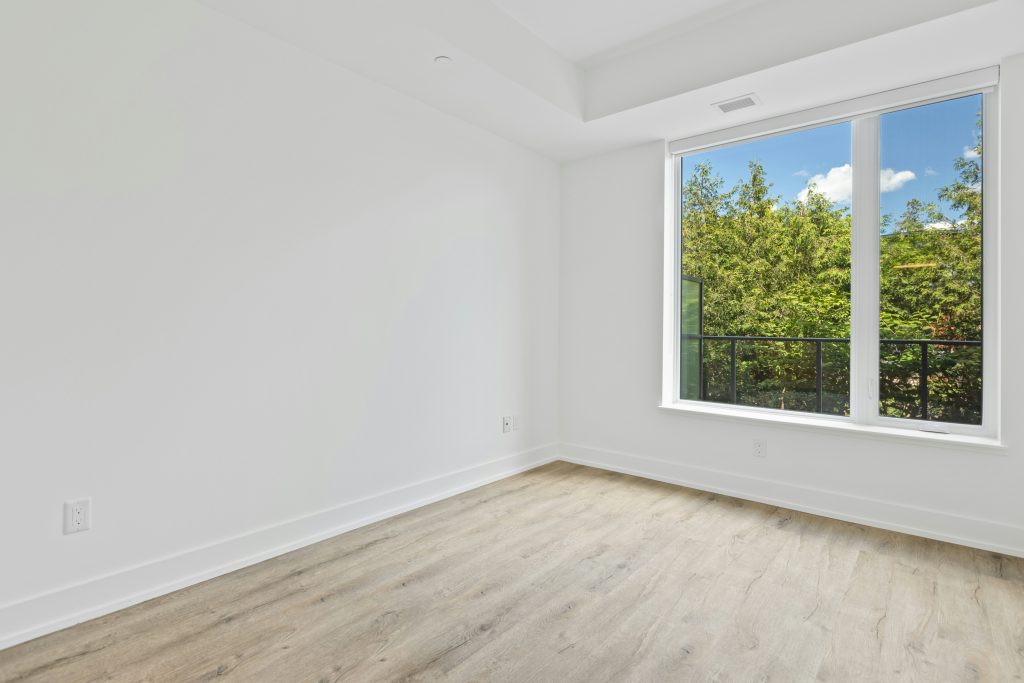
For buyers taking handover of a new or off-plan property in Dubai: what snagging is, the room-by-room defects to hunt for before you sign, how the Defect Liability Period forces the developer to fix them free, and the exact order in which to run the inspection so you keep your leverage.
Snagging is a detailed pre-handover inspection that lists every defect (a “snag”) in your new unit so the developer repairs them, at no cost to you, before or shortly after you take possession. Under Dubai’s jointly owned property law, the developer stays liable for structural defects for 10 years from the building completion certificate and for non-structural finishing and MEP (mechanical, electrical, plumbing) faults for at least one year from handover. The single most valuable move you can make is to snag before you sign the handover acceptance form, because that signature sets the documented condition of the property as the legal baseline for every future claim.
This guide walks a Dubai buyer through the whole handover inspection: what a professional snag covers, a room-by-room checklist of the defects that actually turn up in new builds, how the two-tier Defect Liability Period (DLP) protects you and where its legal basis sits, how the DLP differs from a manufacturer warranty, and the escalation path if a developer stalls. For the wider sequence around collecting keys, read our full walkthrough of the off-plan handover process in Dubai.
What Snagging Actually Is at Handover
Snagging is a systematic room-by-room examination of a finished unit against the standard a competent build should meet. The inspector, whether you or a hired professional, records defects with dated photographs, notes their location, and compiles a written snag list that goes to the developer. The developer then rectifies the listed items, and you re-inspect (a “de-snag”) before accepting the property as complete. It is not a valuation and it is not a survey of market condition; it is a defect audit, and its whole purpose is to convert vague dissatisfaction into a specific, evidenced, actionable list the developer is obliged to act on.
The reason snagging matters in Dubai specifically is timing. New handovers, especially off-plan units delivered at the end of a construction cycle, commonly carry finishing defects: hairline cracks, uneven tiling, doors that do not close square, weak water pressure, sockets wired but dead, and air-conditioning that runs but does not cool evenly. Most are cheap for the developer to fix while the building’s contractor and subcontractors are still on site, and expensive for you to fix later once they have demobilized. A documented snag list submitted at the right moment is what forces those repairs onto the developer’s account rather than yours.
What Is Property Snagging in Dubai?
Property snagging in Dubai is a detailed pre-handover inspection of a new or off-plan unit that identifies construction and finishing defects, called snags, and lists them in writing with dated photos. The developer must then rectify the listed defects free of charge under the Defect Liability Period. Snagging is best done before signing the handover acceptance form.
The Room-by-Room Snagging Checklist
A thorough snag moves through the unit in a fixed order so nothing is missed. Test every fixture rather than eyeballing it: open every door, flush every toilet, run every tap, and flip every switch. The table below is the working checklist a professional inspector uses, organized by area, with the defects that recur most often in Dubai handovers. Carry a phone for photos, a phone charger to test sockets, and a spirit level app or a small ball to check floor slope. Photograph each defect against a fixed reference point so its location is unarguable later.
| Area | What to check | Common defects to log |
|---|---|---|
| Entrance and internal doors | Open, close, and lock every door; check alignment, handles, hinges, seals, and the main door’s smart lock. | Doors not closing square, misaligned frames, scratched leaves, faulty locks, gaps under thresholds. |
| Walls, ceilings, and paint | Scan all surfaces in daylight and with lights on; run a hand over the finish; check corners and skirting. | Hairline cracks, patchy or uneven paint, roller marks, dents, exposed nails, stains, ceiling water marks. |
| Flooring and tiles | Walk the whole floor; tap tiles to hear hollow sounds; check level, grout lines, and skirting fit. | Hollow or lifting tiles, chips, uneven levels, cracked or missing grout, lippage between tiles, scratches. |
| Kitchen | Open every cabinet and drawer; test the hob, hood, and any built-in appliances; check the sink and worktop. | Misaligned cabinet doors, soft-close failing, chipped worktop, leaking sink trap, non-working appliances, missing sealant. |
| Bathrooms (plumbing) | Run taps and shower; flush toilets; fill and drain the basin and bath; check water pressure and drainage speed. | Weak pressure, slow drainage, leaks under the vanity, running toilets, silicone gaps, loose sanitaryware, no hot water. |
| Electrical, sockets, and DB board | Test every socket with a charger; check switches, lights, the distribution board labeling, and the doorbell/intercom. | Dead sockets, reversed polarity, unlabeled breakers, flickering lights, loose face plates, non-working intercom. |
| AC and HVAC | Run every AC zone for 15 to 20 minutes; check cooling, thermostat response, airflow, and for water dripping. | Uneven cooling, weak airflow, noisy units, condensate leaks or drips, unresponsive thermostats, dirty filters. |
| Windows, glazing, and balcony | Open and close all windows and balcony doors; check seals, locks, glass, drainage, and railing stability. | Scratched or cracked glass, failed seals, stiff sliders, water ingress, wobbly railings, blocked balcony drains. |
| Joinery and wardrobes | Open every wardrobe door and drawer; check shelves, rails, hinges, and internal finish. | Misaligned doors, loose shelves, missing rails, scratched laminate, drawers that jam, missing handles. |
Do not treat this as exhaustive comfort. In two of the last handovers I have seen documented, the defect that caused the most argument was invisible on a quick look: a bathroom that drained slowly only after ten minutes of continuous use, and an AC zone that cooled fine for the first hour then iced over. That is why the timed tests in the table matter. A five-minute walk-through misses exactly the faults developers most want to close out quickly.
The Defect Liability Period: Your Legal Protection
The Defect Liability Period is the statutory window during which the developer must repair defects in a new property at no cost to the buyer. In Dubai’s jointly owned buildings it operates in two tiers with two different clocks, and confusing them is where most buyers lose a valid claim. Structural defects carry a long liability; finishing and installation defects carry a short one. The legal foundation sits in Dubai’s jointly owned property law and, for structural collapse, in the federal Civil Code’s decennial liability regime.
How Long Is the Defect Liability Period in Dubai?
Dubai runs a two-tier Defect Liability Period. The developer is liable for structural defects for 10 years from the building completion certificate, and for non-structural, mechanical, electrical, and plumbing defects for at least one year from the date of handover. Defects must be reported to the developer in writing while the relevant period is still running.
Under Law No. 6 of 2019 concerning the ownership of jointly owned real property in the Emirate of Dubai, commonly cited at Article 40, the developer’s liability for structural defects in a jointly owned building runs for ten years from the date the completion certificate is issued, while liability for defects in the mechanical, electrical, and plumbing installations runs for a minimum of one year from handover. Structural components mean the load-bearing elements: foundations, columns, structural walls, beams, ceilings, staircases, façades, and roofs. This liability cannot be contracted out of, so a clause in your sale and purchase agreement that tries to waive it does not stand.
The ten-year structural protection reinforces the separate decennial liability under the Civil Transactions Law, Federal Decree-Law No. 25 of 2025, Articles 821 to 824, which replaced Articles 880 to 883 of the 1985 Civil Code on 1 June 2026 without changing the substance. That regime makes the contractor and the supervising architect or engineer jointly liable for ten years for any total or partial collapse of a building, and for any defect that threatens its structural stability or safety, measured from delivery of the works. It is a strict-liability regime, meaning the claimant does not need to prove fault, and it cannot be excluded by contract. In practice this gives an owner two overlapping ten-year backstops against serious structural failure, one running against the developer and one against the builder.
| Defect type | Who is liable | Period | From when |
|---|---|---|---|
| Structural defects (foundations, columns, load-bearing walls, beams, roof) | Developer, under Law No. 6 of 2019 | 10 years | Date of the building completion certificate |
| Structural collapse or defect threatening stability/safety | Contractor and architect/engineer, under Civil Transactions Law Articles 821 to 824 (ex-880 to 883) | 10 years (decennial) | Delivery of the works |
| Non-structural / MEP (electrical, plumbing, air-conditioning, fixtures) | Developer, under Law No. 6 of 2019 | At least 1 year | Date of handover to the buyer |
| Appliances and installed systems (from the manufacturer) | Manufacturer, under product warranty | Per warranty (often 1 to 2 years) | Date of purchase or installation |
One practical enforcement lever sits behind the one-year period. Dubai’s escrow rules generally hold back a portion of the developer’s funds, commonly the final five percent, until a year after handover as a maintenance and defect guarantee. That retained money is why a developer has a direct financial incentive to close out first-year snags rather than ignore them, and it is worth remembering when a customer-care team goes quiet.
DLP Versus Warranty: Do Not Confuse Them
Buyers routinely conflate the Defect Liability Period with the warranties on appliances and systems, and the two are legally different. The DLP is the developer’s statutory obligation, fixed by law, to fix defects in the building itself, its structure, finishes, and installations. A manufacturer warranty is a separate commercial guarantee on a specific product, the oven, the AC compressor, the water heater, given by the maker of that item, on its own terms and timeline.
The distinction changes who you chase. A cracked wall or a leaking pipe is a DLP matter, so you pursue the developer. A specific oven that stops heating in month eight is usually a warranty matter, so you pursue the manufacturer or supplier, though the developer may coordinate the claim during the first year. Log both types on your snag list, but note against each which route applies, because sending a warranty claim to the developer or a structural claim to an appliance maker simply wastes the clock. When evaluating who you are buying from in the first place, our guide on how to evaluate Dubai property developers covers the track record signals that predict how a developer handles defect claims after handover.
Snag Before You Sign: Why the Order Matters
The most consequential rule in the whole process is procedural: inspect before you sign the handover or acceptance form wherever the developer allows it. Signing that form is commonly treated as your acceptance that the property was delivered in the agreed condition, which weakens later arguments about defects you could have caught at handover. Once you sign, the documented condition of the unit at that moment becomes the baseline against which every future claim is measured.
Decision point: snag first, or sign first. If the developer offers inspection access before the acceptance form, take it, complete the full snag, and hand over the written list before you sign anything. If the developer insists you sign first to get keys, do not sign a clean acceptance: attach or reference your snag list on the form, or add a written note that acceptance is subject to the listed defects being rectified. An unqualified signature on a clean form is the outcome that most often costs buyers money later, because it transfers the risk of every uncaught defect to you.
Whether you do the snag yourself or hire a professional is the other early choice. A professional snagging company brings trained inspectors, thermal cameras, moisture meters, and a formatted report the developer takes seriously, and typically charges a fee in the range of AED 0.50 to AED 1.50 per square foot, which for a standard apartment often lands somewhere between roughly AED 800 and AED 2,200 depending on size and scope (treat these as indicative market estimates, not fixed rates). A self-snag costs nothing but your time and catches fewer hidden faults. For a first off-plan handover, or a large or high-value unit, the professional route usually pays for itself in defects found. For the financial framing of the purchase itself, see our off-plan property investment guide for Dubai.
Should I Snag Before or After Signing Handover?
Snag before signing the handover acceptance form wherever the developer permits it. Signing is generally treated as accepting the property’s condition, so a clean signature weakens later defect claims. If forced to sign first, attach your snag list to the form or note that acceptance is subject to the listed defects being fixed. Never sign a clean acceptance on an un-inspected unit.
What Actually Happens: From Snag List to Rectification
Once you understand the rules, the mechanics of getting defects fixed run through a predictable sequence. Skipping a step, most often submitting the list verbally instead of in writing, is the usual reason a valid snag goes unrepaired.
What actually happens: after the developer issues the handover notice, typically 30 to 45 days before completion, you book your inspection slot. You conduct the room-by-room snag, photographing and dating every defect. You submit the written snag list to the developer’s handover or customer-care team, ideally before signing the acceptance form, and you get an acknowledgment with a reference number. The developer schedules its contractor to rectify the listed items, usually within a few weeks while subcontractors are still mobilized. You then return for a de-snag re-inspection, checking each item off against your original list, and only accept the property as complete once the snags you can verify are closed. Anything still open, or any new fault that appears in the first year, you report in writing within the relevant liability period so it stays on the developer’s account.
Keep every piece of that trail. The dated photos, the emailed snag list, the acknowledgment, and the de-snag notes are your evidence if the matter ever escalates. A defect reported only verbally, or reported after the liability period has lapsed, carries no enforceable developer obligation, which is why written and timely reporting is not bureaucratic caution but the thing that keeps your claim alive.
If the Developer Refuses to Fix Defects
Most snags are closed without drama, but when a developer stalls or refuses, there is a defined escalation ladder and you should climb it in order, documenting each rung. Jumping straight to court before exhausting the developer’s own process and the regulator wastes time and money.
Start with a formal written complaint to the developer’s customer-care and, if that fails, its executive management, restating the snag list and the liability period that applies. If the developer still does not act, escalate to the Real Estate Regulatory Agency (RERA) and the Dubai Land Department (DLD), which regulate developers and can be approached through the Dubai REST app for a formal complaint. RERA’s leverage is real, because it can lean on the retained escrow funds that back the first-year guarantee. If regulatory pressure does not resolve it, the final route is the Dubai Courts or the relevant real estate committee, where your dated evidence and the statutory liability periods do the work. Where the underlying grievance is a late or non-delivering project rather than a defect, our guide to off-plan property delays and buyer rights in Dubai sets out the parallel remedies, and once repairs are settled you can move to registering ownership, covered in our Dubai property purchase process guide and the companion piece on the Dubai title deed.
FAQ
What Is Property Snagging in Dubai?
Snagging is a detailed pre-handover inspection of a new or off-plan unit that identifies construction and finishing defects, called snags, and records them in a written list with dated photographs. The developer must then rectify the listed defects at no cost to the buyer under the Defect Liability Period. It is a defect audit, not a valuation, and it works best when done before you sign the handover acceptance form.
How Long Is the Defect Liability Period in Dubai?
Dubai runs a two-tier period. Under the jointly owned property law, the developer is liable for structural defects for 10 years from the building completion certificate, and for non-structural, mechanical, electrical, and plumbing defects for at least one year from handover. The Civil Code adds a separate 10-year decennial liability on the contractor and architect for structural collapse. Defects must be reported in writing while the relevant period is still running.
Should I Snag Before or After Signing the Handover Form?
Before, wherever the developer allows it. Signing the acceptance form is generally treated as accepting the property in its delivered condition, which weakens later defect claims. If you are forced to sign first to collect keys, do not sign a clean form: attach your snag list or add a written note that acceptance is subject to the listed defects being rectified. An unqualified signature on an un-inspected unit transfers the risk of every uncaught defect to you.
How Much Does a Professional Snagging Inspection Cost in Dubai?
Professional snagging companies typically charge in the region of AED 0.50 to AED 1.50 per square foot of built-up area, which for a standard apartment often works out between roughly AED 800 and AED 2,200 depending on size and the depth of inspection. Villas and larger units are usually priced per square foot. These are indicative market estimates; confirm the exact fee and scope with the provider before booking.
Can I Do the Snagging Inspection Myself?
Yes. There is no rule requiring a licensed inspector, and a careful owner can catch most finishing defects using the room-by-room checklist, testing every door, tap, socket, and AC zone. A professional adds thermal cameras, moisture meters, and a report developers take seriously, which pays off on larger or higher-value units and first-time off-plan handovers. Either way, photograph and date every defect and submit the list in writing.
What Is the Difference Between the DLP and a Warranty?
The Defect Liability Period is the developer’s statutory obligation, fixed by law, to fix defects in the building itself, its structure, finishes, and installations. A warranty is a separate commercial guarantee from the manufacturer of a specific product, such as an oven or an AC compressor, on its own terms. A cracked wall is a DLP matter you pursue with the developer; a failed appliance is usually a warranty matter you pursue with the maker or supplier.
Who Fixes Structural Defects After Handover?
The developer is liable for structural defects in a jointly owned building for 10 years from the completion certificate under Law No. 6 of 2019, and this liability cannot be waived by contract. Separately, under Civil Transactions Law Articles 821 to 824, previously Articles 880 to 883 of the 1985 Civil Code, the contractor and the supervising architect or engineer are jointly liable for 10 years for structural collapse or any defect threatening the building’s stability, giving owners two overlapping backstops for serious structural failure.
What Happens If I Find Defects After the One-Year Period Ends?
Non-structural and MEP defects reported after the one-year liability period lapses generally carry no enforceable developer obligation, so timing is critical. Structural defects remain covered for 10 years. This is why you should report every finishing or installation fault in writing well within the first year, keeping the dated evidence, rather than waiting to bundle minor snags together and missing the deadline.
What Do I Do If the Developer Refuses to Fix Snags?
Escalate in order. Send a formal written complaint to the developer’s customer care and then executive management, citing the snag list and the applicable liability period. If that fails, file a complaint with RERA and the Dubai Land Department, which can act through the Dubai REST app and lean on the retained first-year escrow funds. The final route is the Dubai Courts or the relevant real estate committee, where your dated evidence carries the case.
Does Signing the Handover Form Waive My Defect Liability Rights?
No. Signing the acceptance form does not extinguish the statutory Defect Liability Period, which is fixed by law and cannot be contracted out of. What signing a clean form does is weaken your position on visible defects you could have caught at handover, by setting the property’s documented condition as the baseline. Attaching a snag list to the form preserves your record of the defects that existed on day one.
Official Sources
This article references information from the following official and legal sources:
- Government of Dubai Legislation – Law No. 6 of 2019 Concerning Ownership of Jointly Owned Real Property (developer structural and non-structural defect liability)
- UAE Legislation Portal – Federal Decree-Law No. 25 of 2025, Civil Transactions Law, Articles 821 to 824 (decennial liability, in force 1 June 2026)
- Dubai Land Department – RERA, developer regulation, and real estate dispute resolution
- The UAE Government portal (u.ae) – buying property in the UAE
This guide is for informational purposes only. UAE laws, fees, liability periods, and developer practices are subject to change, and the official Arabic text of the law prevails in any conflict of interpretation. Article references, snagging fees, and processing details should be confirmed directly with your developer, RERA, and the Dubai Land Department. Verify the current requirements and your own sale and purchase agreement before signing any handover acceptance form or acting on a defect claim.