

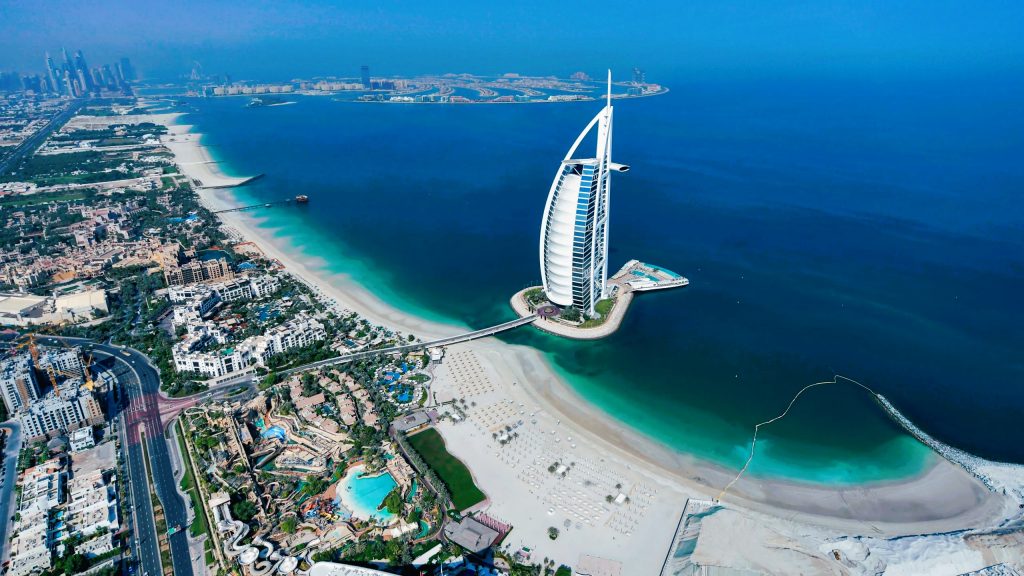
A practical guide covering weather, pricing, major events, and seasonal considerations for planning your Dubai trip
Dubai welcomes over 16 million international visitors annually, but timing your visit significantly affects both experience and budget. November through March delivers optimal weather with daytime temperatures between 20°C and 28°C, though this peak season brings hotel rates 30-50% higher than summer months. Understanding these trade-offs—weather versus cost, events versus crowds—helps you select the right window for your priorities.
This guide covers Dubai’s seasonal patterns month by month, including average temperatures, sea conditions for beach activities, major events like the Dubai Shopping Festival and Ramadan, hotel pricing fluctuations, and practical tips for each period. Whether you’re planning a beach holiday, business trip, or property investment visit, we explain exactly what to expect and when to book.
Quick Answer: When Should You Visit Dubai?
The best time depends entirely on what you’re prioritising. Here’s the summary before we dive into detail:
- Best weather: November to March—daytime highs of 20-28°C, minimal humidity, ideal for outdoor activities and beach days
- Best value: June to August—hotel rates drop 40-50% and attraction discounts are common, though temperatures exceed 40°C daily
- Best balance: October and April-May—shoulder seasons with tolerable weather (28-35°C) and moderate pricing
- Best for events: December-January for the Dubai Shopping Festival; late February to March for Ramadan cultural experiences
- Best for swimming: May to November when sea temperatures reach 28-33°C (winter seas around 22-23°C can feel cool)
- Avoid if crowd-averse: Christmas/New Year period and Eid holidays see maximum tourist density and peak pricing
Dubai’s Two Seasons Explained
Dubai operates on a simple seasonal calendar: a mild winter from November to March and a hot summer from June to September, with transitional shoulder periods in April-May and October. Understanding this pattern is essential because outdoor activities, beach conditions, and pricing all shift dramatically between these periods.
Winter Season (November to March)
This is Dubai’s peak tourism window, when average daytime temperatures hover between 20°C and 28°C. Evenings cool to 13-18°C, making outdoor dining comfortable. Humidity drops to 50-60%, rainfall remains minimal (the annual total is just 80-95mm concentrated in these months), and sunshine averages 8-9 hours daily. These conditions allow full enjoyment of desert safaris, beach clubs, outdoor markets, and walking tours of historic areas like Al Fahidi.
The trade-off is cost. Hotel occupancy exceeds 80% during winter, and average daily rates reach AED 700-750 according to industry data from STR. Luxury beachfront properties command AED 1,500-3,500 per night. Popular attractions like Burj Khalifa’s At The Top observation deck and desert safari operators book up days in advance. Flight prices from major hubs increase 20-40% compared to summer routes.
Summer Season (June to September)
Dubai’s summer is genuinely extreme. Daytime temperatures consistently hit 40-45°C, with humidity reaching 90% near the coast—the “feels like” temperature exceeded 62°C during a July 2024 heatwave. The sea temperature rises to 33°C, which sounds pleasant but offers no relief from heat. Outdoor activities become impossible between 10am and 6pm, and even short walks between air-conditioned buildings feel uncomfortable.
However, for budget-conscious travellers or those focused on indoor attractions, summer offers substantial savings. Hotel rates drop 40-50%, with luxury properties often available at mid-range prices. The Dubai Summer Surprises retail festival (July to August) brings discounts of 25-90% at over 3,000 outlets. Indoor attractions—Ski Dubai, IMG Worlds of Adventure, theme parks at Dubai Parks and Resorts—operate normally in air conditioning. Restaurant reservations that require weeks of advance booking in winter become readily available.
Shoulder Seasons (April-May and October)
These transitional months offer the best value-to-experience ratio. October sees temperatures moderate from summer’s peak to manageable 32-36°C, while April and May climb from winter mildness into the low-to-mid 30s. Outdoor activities work in early morning and evening hours, beach clubs remain operational, and hotel rates sit 15-30% below peak season levels.
The shoulder seasons suit travellers who can tolerate warmth but want to avoid both extreme summer heat and peak winter crowds. October particularly appeals to beach visitors, as sea temperatures remain warm (around 31°C) while air temperatures become bearable.
Month-by-Month Weather and Conditions
This breakdown uses historical climate data to help you plan specific travel dates. All temperatures are averages—actual conditions may be several degrees higher or lower on any given day.
| Month | Avg High / Low | Sea Temp | Conditions | Crowd Level |
|---|---|---|---|---|
| January | 24°C / 14°C | 22°C | Cool, sunny, occasional light rain | Very High |
| February | 26°C / 15°C | 22°C | Mild, low humidity, some wind | High |
| March | 29°C / 18°C | 24°C | Warming, occasional sandstorms | High |
| April | 34°C / 21°C | 26°C | Hot days, pleasant evenings | Moderate |
| May | 38°C / 25°C | 29°C | Very hot, rising humidity | Low |
| June | 40°C / 28°C | 32°C | Extreme heat, high humidity | Very Low |
| July | 41°C / 30°C | 33°C | Peak heat, 90%+ humidity | Very Low |
| August | 41°C / 30°C | 33°C | Hottest month, very humid | Very Low |
| September | 38°C / 27°C | 32°C | Still hot, humidity starting to drop | Low |
| October | 35°C / 24°C | 31°C | Noticeably cooler, pleasant evenings | Moderate |
| November | 30°C / 20°C | 28°C | Comfortable, ideal for outdoors | High |
| December | 26°C / 16°C | 25°C | Cool, sunny, possible light rain | Very High |
Major Events and Their Impact on Your Trip
Dubai’s calendar includes several major events that significantly affect availability, pricing, and the overall visitor experience. Planning around these—whether to attend or avoid—makes a substantial difference.
Dubai Shopping Festival (December to January)
The 31st edition runs 5 December 2025 to 11 January 2026, a 38-day retail event featuring discounts of 25-90% at over 3,000 outlets. Daily drone shows, live entertainment, prize raffles exceeding AED 50 million, and extended mall hours create a festival atmosphere. This coincides with peak winter season and Christmas/New Year holidays, meaning maximum crowds and prices. Book accommodation 2-3 months ahead if visiting during this period.
Ramadan and Eid (February-March 2026)
Ramadan 2026 is expected to run from approximately 18 February to 19 March, followed by Eid Al Fitr celebrations around 20-22 March. During Ramadan, Muslims fast from dawn to sunset, and visitors should respect local customs by not eating, drinking, or smoking in public during daylight hours. Hotels provide secluded dining areas for non-fasting guests, and most restaurants operate normally but with discretion expected.
For cultural immersion, Ramadan offers unique experiences: lavish iftar buffets at hotels, night markets at Expo City and Jumeirah Emirates Towers, and a generally peaceful atmosphere. Working hours reduce by two hours for all employees, and malls extend evening hours until midnight or later. Major concerts and loud entertainment are paused during this period. Eid Al Fitr brings festive celebrations, retail promotions, and a public holiday lasting three to four days.
Dubai Summer Surprises (July-August)
The 2026 edition runs 3 July to 30 August, specifically designed to attract visitors during the off-season. Expect retail discounts, family entertainment, indoor activities, and the new “Great Dubai Summer Sale” finale with up to 90% off. This is the most budget-friendly window for visiting, combining low hotel rates with significant retail savings.
Other Notable Events
- Chinese New Year (13-22 February 2026): Cultural performances, fireworks, themed dining for Year of the Fire Horse
- 3-Day Super Sale (May and November): Weekend-long discounts of up to 90% at participating malls
- Dubai Home Festival (16 October – 1 November): Homeware and furnishing discounts
- Diwali / Festival of Lights (2-12 November): Lighting displays, gold offers, cultural celebrations
- Dubai Fitness Challenge (31 October – 29 November): City-wide fitness events including Dubai Run and Dubai Ride
- UAE National Day (30 November – 3 December): Fireworks, promotions, patriotic celebrations
Hotel Pricing Patterns and Budget Optimisation
Understanding pricing seasonality helps you secure better value regardless of when you visit. Dubai’s hotel market is highly dynamic, with rates varying 30-50% between peak and off-peak periods.
Peak Season Pricing (December to February)
This period sees the highest rates across all accommodation categories. Downtown Dubai commands AED 1,200-2,500 per night for mid-range hotels; Palm Jumeirah beachfront resorts reach AED 1,500-3,500. Budget options in Deira and Bur Dubai still cost AED 300-600, compared to AED 150-300 in summer. New Year’s Eve represents the absolute peak—hotels often require multi-night minimum stays at premium rates, with properties like Atlantis and Burj Al Arab selling out months ahead.
Off-Peak Value (June to August)
Summer offers the steepest discounts. Properties that charge AED 2,000+ in winter often drop to AED 800-1,200. Some luxury resorts run “summer staycation” promotions including breakfast, pool access, and activity credits at rates below their winter entry-level rooms. The trade-off is severe heat limiting outdoor activities—but for travellers focused on spa experiences, shopping, indoor theme parks, or business purposes, summer delivers exceptional value.
Shoulder Season Sweet Spot (April-May, September-October)
These transitional months combine moderate pricing (15-30% below peak) with reasonable weather. October particularly suits beach holidays, as sea temperatures remain warm while air temperatures become tolerable. April and May work well for combined itineraries—visit Dubai’s indoor attractions during hot afternoons, then add a few days in Hatta’s mountains or take a short flight to Oman for cooler conditions.
Booking Strategy Tips
- Advance booking matters most in winter: Reserve 8-12 weeks ahead for December-February travel, especially around Christmas/New Year and Eid periods
- Summer allows flexibility: Last-minute deals are common June-August; hotels drop prices to fill capacity
- Mid-week arrivals cost less: Sunday-Thursday rates often undercut Friday-Saturday by 10-20%
- Compare locations: Business Bay and DIFC offer Downtown-adjacent locations at 20-30% lower rates than Downtown itself
- Watch for flash sales: Emirates Holidays, Etihad Holidays, and hotel chains periodically offer 24-48 hour promotional rates
Best Time for Beach Activities and Swimming
Dubai’s beaches and sea conditions vary significantly across the year, affecting both comfort and safety for water activities.
Ideal Beach Months: October to November and March to April
These shoulder periods combine comfortable air temperatures (28-35°C) with warm sea water (26-31°C) and manageable humidity. You can sunbathe without overheating, swim in pleasant conditions, and enjoy beach clubs and water sports throughout the day. November particularly stands out—sea temperature hovers around 28°C while daytime air reaches 30°C, creating near-perfect beach conditions.
Winter Swimming Considerations (December to February)
Sea temperatures drop to 22-25°C, which feels refreshingly cool to some visitors but uncomfortably cold to others—especially those accustomed to tropical waters. Windy conditions occasionally make beach days less appealing. That said, sunbathing remains pleasant with daytime air temperatures of 24-26°C, and most beach clubs operate fully.
Summer Swimming (June to September)
The sea reaches bathtub-like temperatures of 32-33°C, offering no cooling relief from extreme air temperatures. Beach activities become impractical during daylight—sand burns feet, sun exposure risks heatstroke within minutes, and even the water feels uncomfortably warm. Some beach clubs operate early morning (6-9am) or post-sunset, but most visitors focus entirely on pools and indoor activities during summer months.
Practical Packing by Season
What you need varies dramatically between seasons:
Winter (November to March)
- Light layers for evenings (temperatures can drop to 13-15°C after sunset)
- Sun protection remains essential—UV levels stay high year-round
- Smart casual wear for restaurants and mall visits (covered shoulders and knees expected at some venues)
- Comfortable walking shoes for souks and heritage areas
- A light jacket or cardigan for over-air-conditioned indoor spaces
Summer (May to September)
- Loose, breathable fabrics in light colours
- Hat and high-SPF sunscreen (even for short outdoor transfers)
- Refillable water bottle—dehydration happens quickly
- Cardigan or wrap for heavily air-conditioned interiors (malls, restaurants, taxis often feel cold)
- Modest clothing if visiting during Ramadan
FAQ
What Is the Cheapest Month to Visit Dubai?
June, July, and August offer the lowest prices for hotels and flights, with rates 40-50% below winter peaks. May and September also provide good value as shoulder months. The trade-off is extreme heat exceeding 40°C daily, limiting you to indoor activities, pools, and evening outings. For budget travellers comfortable with heat, summer delivers genuine savings—a luxury hotel that costs AED 2,000/night in December may drop to AED 800 in July.
Is Dubai Safe to Visit During Ramadan?
Absolutely. Dubai welcomes tourists throughout Ramadan and has adapted to accommodate non-fasting visitors. Hotels serve breakfast and lunch in designated areas, and many restaurants operate normally with screens or curtains for discretion. Respect local customs by not eating, drinking, or smoking in public spaces during fasting hours (dawn to sunset). The atmosphere becomes more peaceful, and experiencing iftar dinners offers genuine cultural immersion. Expect reduced working hours and adjusted entertainment schedules.
When Is the Best Time to Visit Dubai for Outdoor Activities?
November through March offers optimal conditions for desert safaris, golf, outdoor dining, walking tours, and beach activities. Temperatures stay between 20-28°C with low humidity, allowing comfortable all-day outdoor exploration. October and April work as backup options if you can tolerate warmer conditions (28-35°C) and focus outdoor activities in early morning or evening hours.
Is the Sea Warm Enough to Swim in Winter?
Dubai’s sea temperature drops to around 22-23°C in January and February—comparable to the Mediterranean in early summer. Most visitors find this comfortable for swimming, though it may feel cool if you’re accustomed to tropical waters. Sea temperature rises to 25°C by April and reaches 28°C by November, making late autumn the best combination of warm water and comfortable air temperature.
How Far in Advance Should I Book Dubai Hotels?
For December through February, book 8-12 weeks ahead, especially around Christmas, New Year, and Eid holidays. Shoulder seasons (October-November, March-April) work well with 4-6 weeks’ notice. Summer months often reward last-minute bookings—hotels drop prices to fill capacity, and deals appear 1-2 weeks before arrival. Popular restaurants like those in the Michelin Guide require reservations 2-4 weeks ahead regardless of season.
What Is the Best Month for the Dubai Shopping Festival?
The Dubai Shopping Festival runs from early December to mid-January. Late December through early January typically sees the deepest discounts as retailers push for sales targets, plus you’ll experience New Year celebrations and drone shows. However, this overlaps with peak tourist season—expect crowds at malls, higher hotel rates, and the need to book attractions in advance. If shopping is secondary to sightseeing, visit in November when similar (though smaller) promotions exist with fewer crowds.
Can I Still Enjoy Dubai in Summer Despite the Heat?
Yes, if you adapt your itinerary to focus on air-conditioned venues. Dubai has world-class indoor attractions: Ski Dubai, IMG Worlds of Adventure, Dubai Mall’s aquarium and ice rink, the Museum of the Future, and extensive shopping centres. Schedule any outdoor movement for early morning or late evening. Hotel pools remain usable, restaurants serve outdoor terraces after sunset, and the Dubai Summer Surprises festival provides entertainment and discounts. Many residents take short breaks to Oman’s mountains or the UAE’s east coast for cooler conditions.
When Do Flight Prices to Dubai Drop?
International flight prices to Dubai are lowest from May to August, when summer heat reduces tourist demand. Shoulder months (April, September, October) offer moderate savings. Peak pricing applies November through March, especially around Christmas/New Year and during major events. Booking 6-8 weeks ahead typically secures better rates for winter travel; summer flights can often be booked at competitive prices 2-4 weeks out. Mid-week departures (Tuesday-Wednesday) generally cost less than weekend flights.
Official Sources
This article references information from the following official authorities and verified sources:
- Visit Dubai — Official Weather Guide
- Dubai Department of Economy and Tourism — Dubai Shopping Festival 2025-2026
- Dubai Media Office — 2026 Retail Calendar Announcement
- The National — Dubai Hotel Market Data (STR)
- The National — Ramadan Guide for Tourists
- Climate of Dubai — Wikipedia (Historical Weather Data)
Information is current as of February 2026. Event dates are subject to official announcements and moon sighting for Islamic holidays. Weather conditions vary year to year—check forecasts closer to your travel dates. Always verify current conditions with official authorities before finalising your plans.
This guide is for informational purposes only. Prices, schedules, and conditions are subject to change. Always verify current requirements with the relevant official authority before proceeding with any booking or travel arrangement.